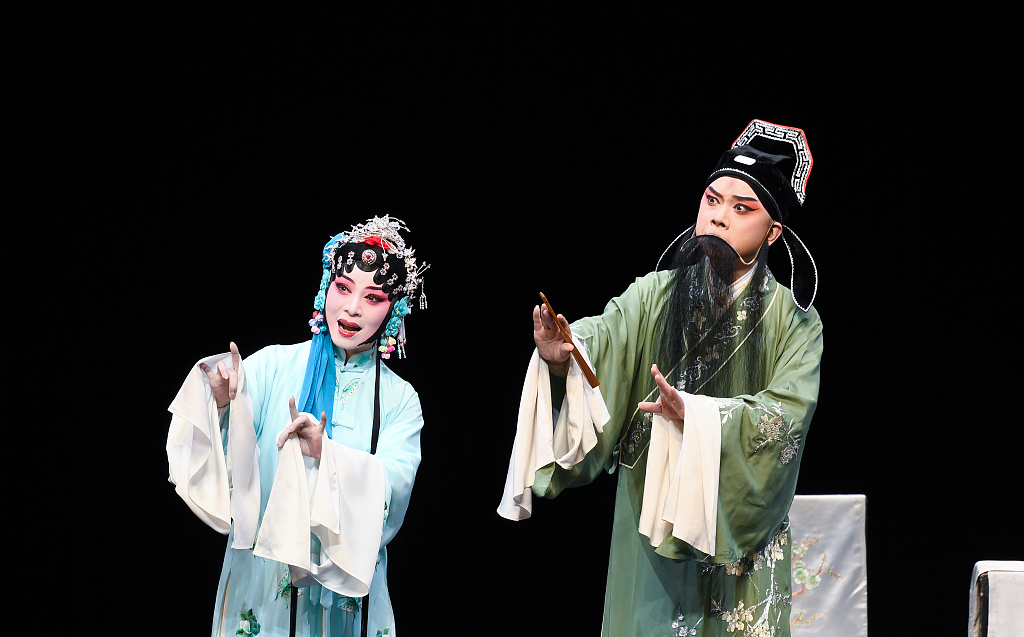
The Peach Blossom Fan
Introduction
The Peach Blossom Fan is a celebrated Chinese opera written by the Qing Dynasty playwright Kong Shangren (1648-1718). It is a masterpiece of traditional Chinese literature and Kunqu Opera, one of the oldest forms of Chinese opera, which originated in the Kunshan region of Jiangsu province. The play is recognized for its historical significance, literary merit, and artistic depth. It explores themes of love, sacrifice, and cultural heritage through the lens of a dramatic narrative set against the tumultuous backdrop of the transition from the Ming to the Qing dynasties.
Historical Background
The play is set during a period of great social upheaval in China, marking the fall of the Ming Dynasty (1368-1644) and the rise of the Qing Dynasty (1644-1911). This era was characterized by political intrigue, shifting allegiances, and the collapse of established social orders. As a member of the Confucius family, Kong Shangren was closely connected to the Confucian ideals that were challenged during this period of change.
Plot Summary
The Peach Blossom Fan dramatizes the tragic romance between the young scholar Hou Fangyu and the courtesan Li Xiangjun. Their love story unfolds in the waning days of the Ming Dynasty, as the socio-political landscape crumbles around them. Through their separation and eventual reunion, the play explores the complex interplay of personal desires and larger historical forces. The narrative weaves together elements of love, patriotism, honor, and betrayal, providing a vivid portrait of a society on the brink of transformation.
Themes and Analysis
At the heart of "The Peach Blossom Fan" is the theme of love intertwined with sacrifice. The relationship between Li Xiangjun and Hou Fangyu serves as a metaphor for the broader societal changes of the time. Their love story illustrates the conflict between personal desires and the demands of honor and loyalty in a changing world. Despite the personal sacrifices both characters must make, their devotion to one another remains a central pillar of the narrative, highlighting the enduring power of love amidst chaos.
Cultural Significance
The play holds significant cultural value as a reflection of traditional Chinese societal norms and Confucian ideals. It serves as a critique of political corruption and the moral decay that contributed to the fall of the Ming Dynasty. By intertwining historical events with personal narratives, Kong Shangren's work provides insight into the cultural and ethical dilemmas faced by individuals during times of great transition. Through its portrayal of the relationship between personal integrity and societal collapse, "The Peach Blossom Fan" remains a poignant commentary on the human condition.
Literary Style
The Peach Blossom Fan is characterized by its intricate use of language, poetic dialogue, and vivid imagery. Kong Shangren's writing blends classical Chinese poetry with dramatic storytelling, creating a rich tapestry that captures the emotional depth of the characters and the historical moment. The play's structure, employing both prose and verse, allows for a dynamic exploration of themes and a nuanced portrayal of character relationships. The use of symbolic elements, such as the peach blossom fan itself, adds layers of meaning and reinforces the play's central themes.
Reception and Legacy
Since its premiere in 1699, The Peach Blossom Fan has been celebrated as a pinnacle of Chinese theatrical art. Its enduring popularity is reflected in its continuous performance and adaptation in various forms of Chinese opera, particularly within the Kunqu tradition. The play's reputation as a cultural and literary landmark has solidified its place in Chinese history, influencing generations of artists and scholars. Its themes resonate with contemporary audiences, offering timeless reflections on love, loyalty, and the complexities of human nature.
Adaptations
The Peach Blossom Fan has been adapted into numerous theatrical productions, films, and other artistic forms over the centuries. Notably, it has been staged as part of the Kunqu Opera repertoire, with productions in modern theaters around the world. These adaptations have contributed to the play's global recognition and helped preserve its legacy as a crucial component of China's intangible cultural heritage. Modern interpretations often incorporate innovative staging and multimedia elements, attracting new audiences while maintaining the integrity of the original work.








